take part in our cornwall park bird survey!
When strolling through Cornwall Park, have you noticed the flurry of bird activity in the trees, across the grass, or overhead? Have you ever wondered who these birds are—and how many share this unique urban park in the heart of Auckland?
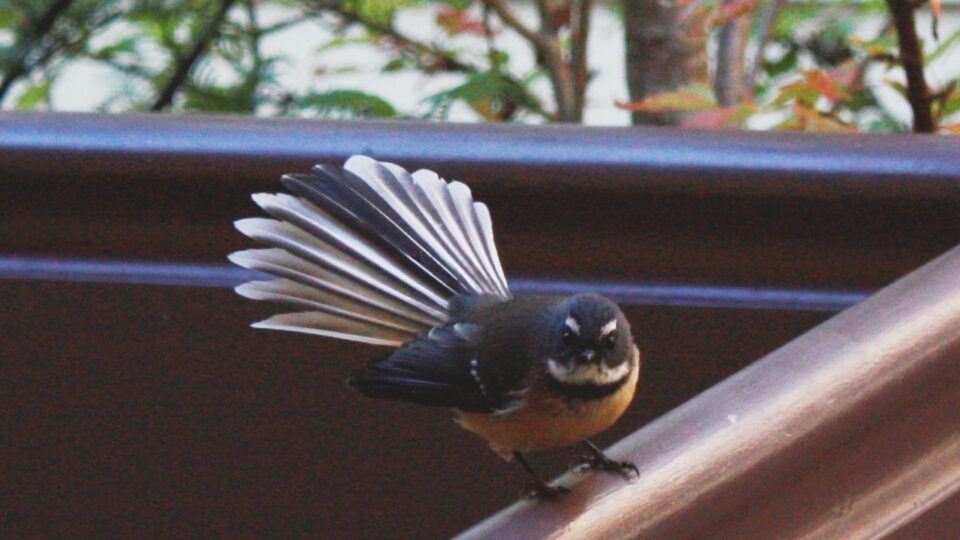
The Cornwall Park Bird Survey is a wonderful opportunity for visitors like you to take part in citizen science. Your observations help park planners, researchers, and policymakers better understand our ecosystem, so we can make Cornwall Park and the surrounding neighbourhood a better place for both people and wildlife.
The data you collect is genuinely valuable. It helps guide ecological decisions and measure the results of management actions—such as predator trapping, monitoring invasive bird species, magpie control, and planting food trees for native birds. It also supports the ecological goals of the park’s masterplan. We can’t truly understand the ecological value of Cornwall Park until we measure it, and meaningful goals are only possible when we have reliable data to guide us.
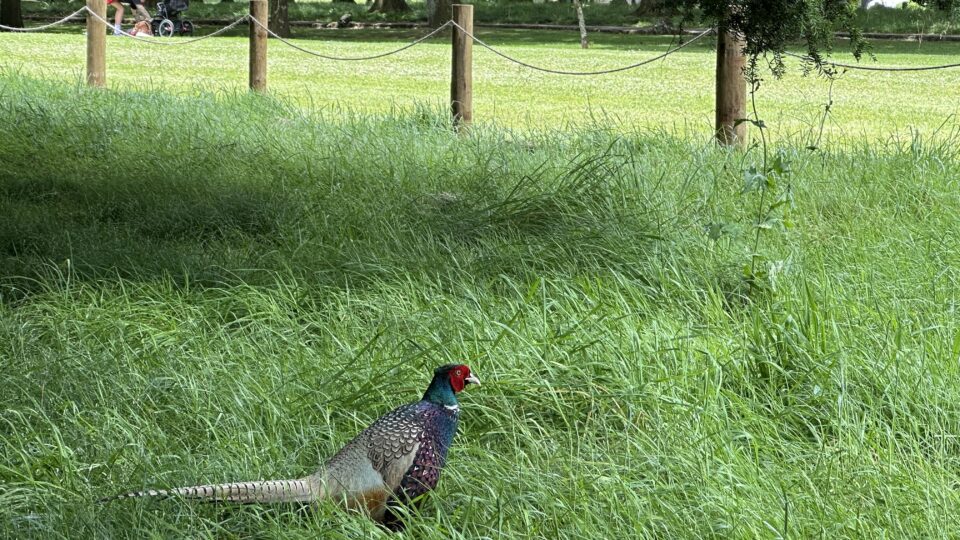
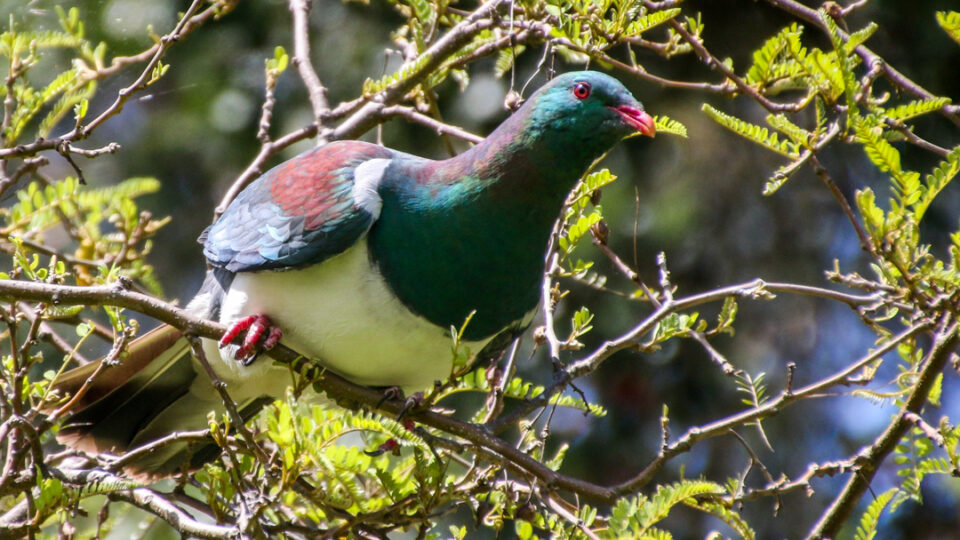
During the two-week survey in April 2025, park visitors recorded a total of 1,478 birds across 30 species. Common sightings included Eurasian blackbirds, common chaffinches, Australian magpies, and spur-winged plovers. Native species such as tūī, white-faced herons, grey warblers, and kererū were also frequently observed. Excitingly, less commonly seen birds, including swamp harriers (kāhu), moreporks (ruru), and the elusive shining cuckoo were recorded as well. Last but not least, the consistent sighting of Kaka around the park in the last few years consecutively, could be a good indicator that the biodiversity of the park has been on the rise, after all the efforts dedicated to trapping stoats, possums and rats around the park.
Some tips for birding in the park:
- Use your observation skills to look at a bird’s shape, size, colour, and behaviour (e.g., foraging in leaf litter, eating berries) to help identify it.
- Listen carefully to how the birds sound. A distinctive tūī call is very different from other birds, such as the Australian magpie.
- Carrying a book or field guide can be helpful. The illustrations and descriptions are often useful for reinforcing your memory of bird species.
- Using a pair of binoculars can also help with identification, as some birds are difficult to see in the trees.
- Take photos of birds and use ID apps such as iNaturalist to help with identification. By uploading photos and location information, you are also contributing to citizen science.
