meet our ruru
You may not have seen one, but you've probably heard its distinctive call echoing through your backyard after dark. The morepork, or ruru (Ninox novaeseelandiae), is New Zealand's only native owl. Weighing an average of just 175 grams and measuring around 30 centimetres in height, it may be small, but it is a highly skilled nocturnal predator. Under the cover of darkness, moreporks silently move through trees and bush, hunting a wide variety of prey. Their diet consists mainly of invertebrates such as huhu beetles, spiders, wētā, and moths, although they will also catch larger prey, including mice, rats, and small birds.
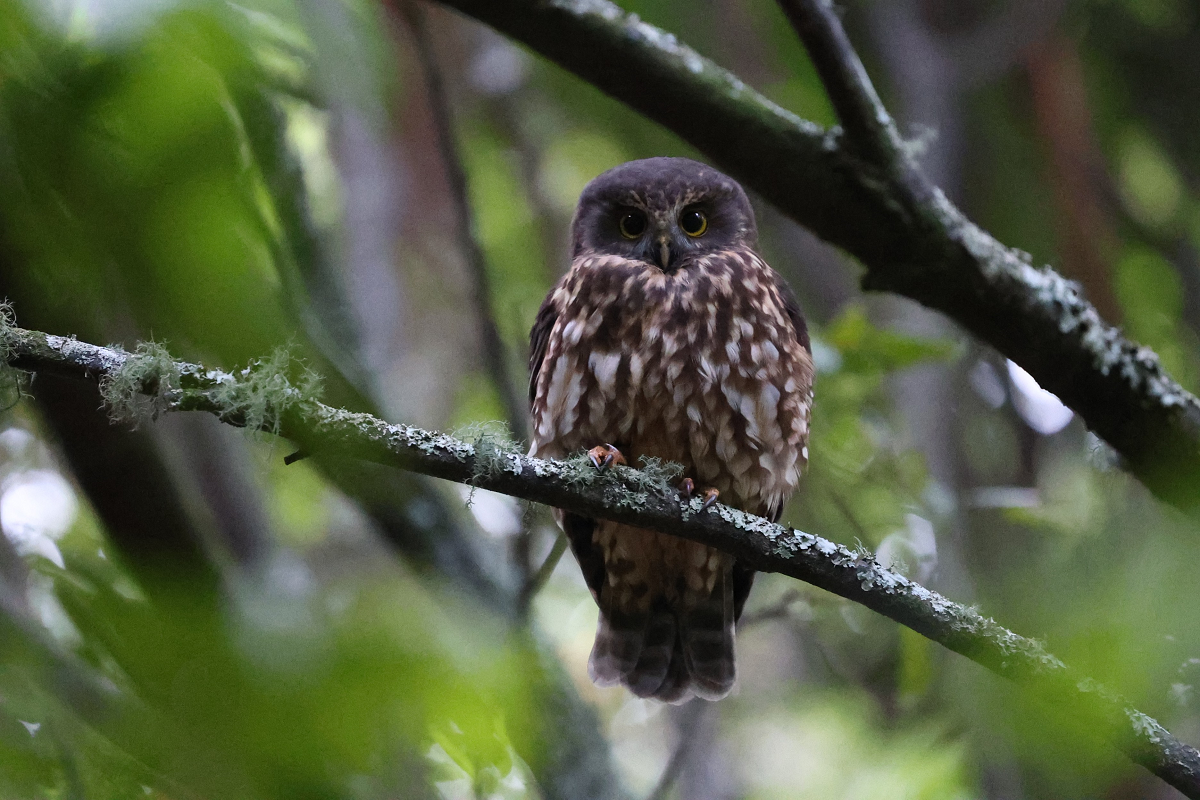
Although many visitors may not realise it, ruru regularly visit Cornwall Park and some even make their home here. Ruru specialist Kevin Barker has dedicated years to conserving these remarkable birds. He has photographed ruru extensively, designed and installed nest boxes throughout the park, and worked to educate the wider community about their ecology and conservation.
“I have lived close to the boundary of Cornwall Park for 26 years,” Kevin says. “In 2023, a pair of ruru turned up in our garden. I had made a nesting box as a present for my partner the year before, and this pair of ruru discovered and decided to use it. Over the next two years we observed ruru breeding behaviours at close quarters and also started to survey ruru across the park.
Kevin says tracking ruru isn’t an easy task.
“Surveying ruru is a tricky business involving listening for calls at dusk and dawn. The use of an infrared device to search likely roosting spots has been a great aid. Ruru are superbly camouflaged and difficult to find, plus they have large territories.”
According to Kevin, ruru maintain a relatively stable population in Cornwall Park, with an estimated 6 to 10 breeding pairs, but their long-term survival across the wider Maungakiekie area remains threatened.
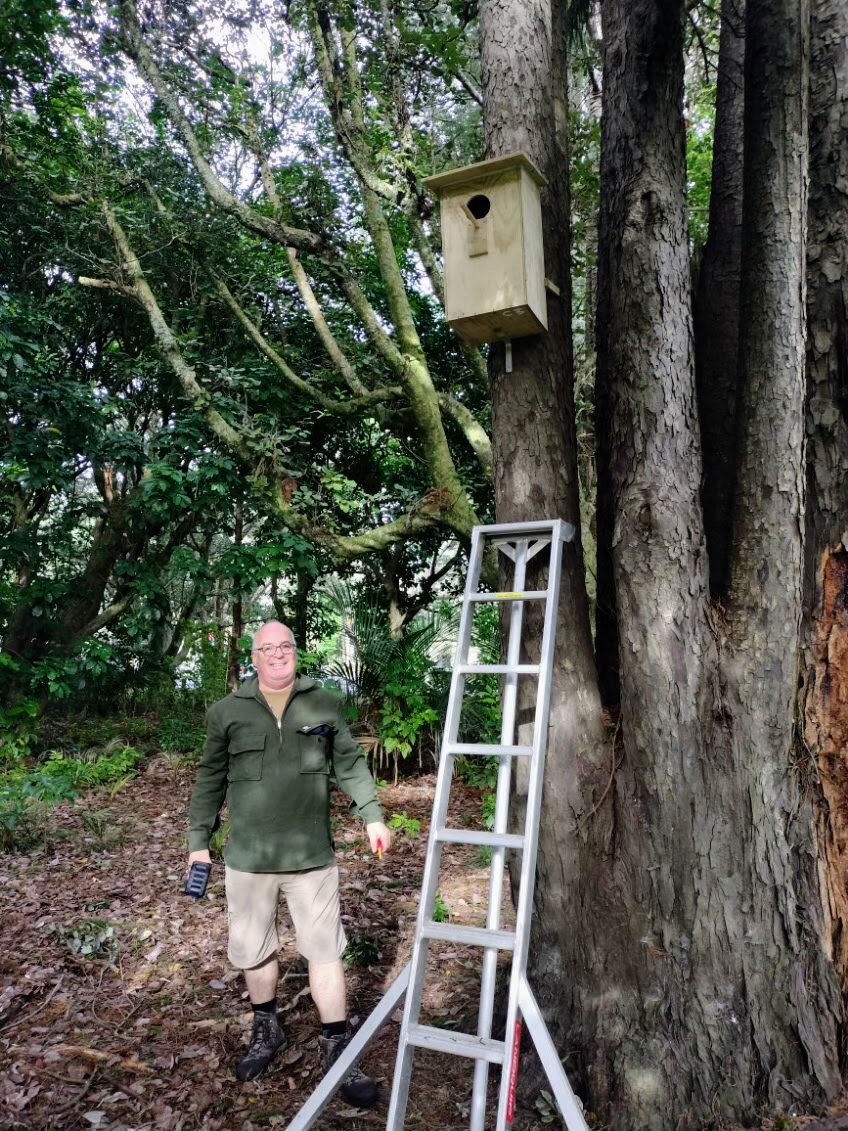
To support their recovery, Cornwall Park has worked with the Maungakiekie Songbird group and local schools to build and install nesting boxes in parks and gardens. The initiative aims to encourage breeding both within the park and in surrounding urban areas. However, habitat loss, tree removal, roaming cats, possums, other pest species, and insufficient pest control continue to limit ruru populations. As cavity nesters, ruru rely on mature trees with hollows for breeding and dense vegetation for daytime shelter. Ongoing native planting projects, including plants supplied by the Cornwall Park nursery team, are helping to improve habitat and strengthen ecological connectivity across the Maungakiekie region.
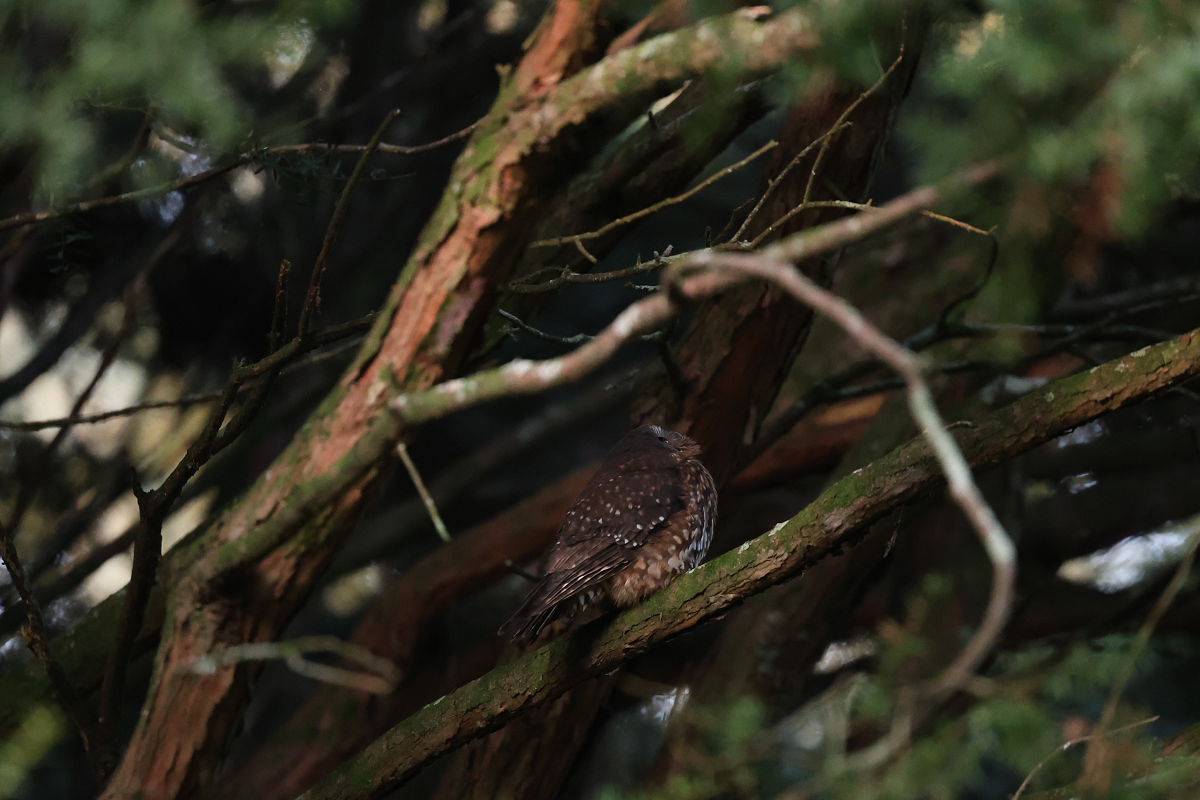
Next time you’re in the park around dawn or dusk, keep your eyes and ears open – you might just be lucky enough to spot or hear a ruru!
